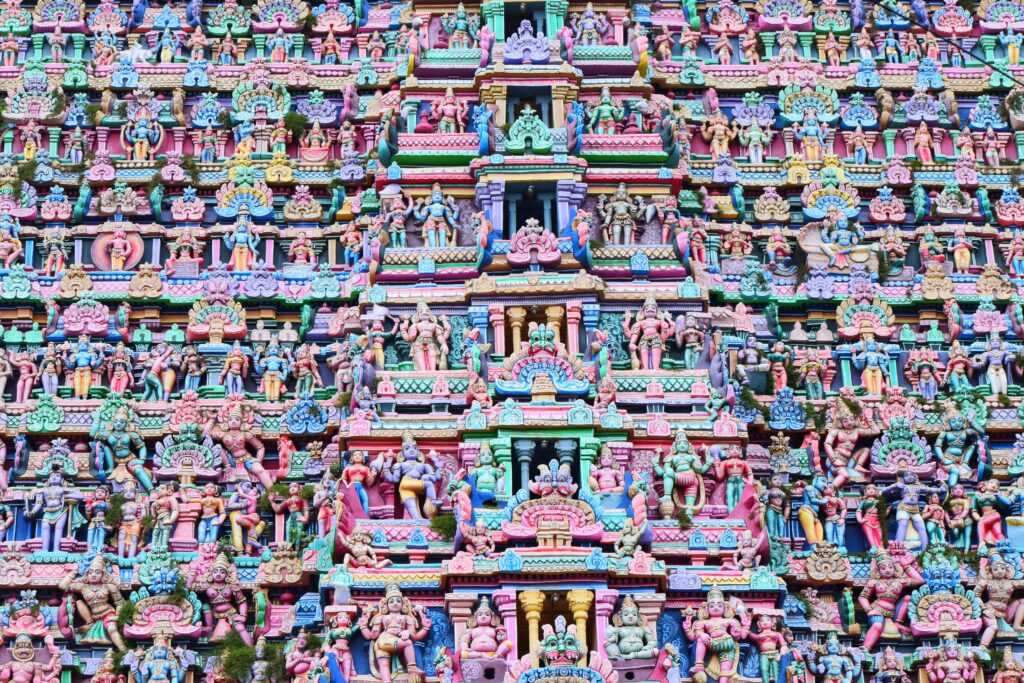
Unfolding the Many Faces of India
North India – Heritage, Himalayas, and Timeless Wonders
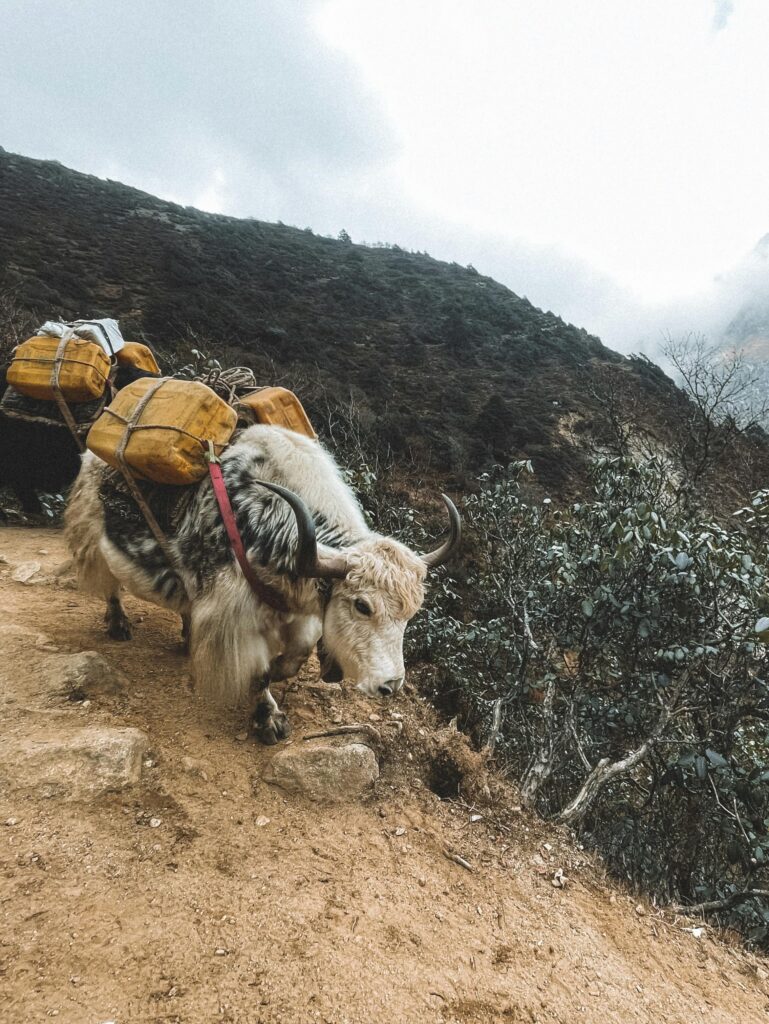
The Himalayas, often called the “abode of snow,” are not just a mountain range—they are a world of adventure, culture, and serene beauty. Towering peaks, lush valleys, and crisp mountain air make this region a dream destination for travelers seeking nature, spirituality, and unforgettable experiences.
Among the many wonders of the Himalayas, one unique experience stands out: interacting with the hardy and gentle yaks. These sturdy animals, perfectly adapted to the cold and rugged terrain, are a vital part of Himalayan life. Trekkers and travelers often spot yaks grazing in alpine meadows or carrying supplies along high-altitude trails, offering a glimpse into the daily rhythm of local mountain communities.
Yak rides and trekking expeditions provide a rare chance to connect with nature in its purest form. Sitting atop a yak, you feel the pulse of the mountains beneath you, the whisper of wind across snow-capped peaks, and the tranquil rhythm of Himalayan life. Beyond adventure, yaks are central to local livelihoods—providing milk, meat, and wool, while also being symbols of resilience and harmony with nature.
Beyond trekking and yak rides, the Himalayas offer a deep cultural experience. Ancient monasteries, vibrant local festivals, and traditional crafts reflect the rich heritage of the mountain communities. Travelers can immerse themselves in this living culture, witnessing the harmonious blend of nature, spirituality, and human resilience that defines life in these majestic heights.
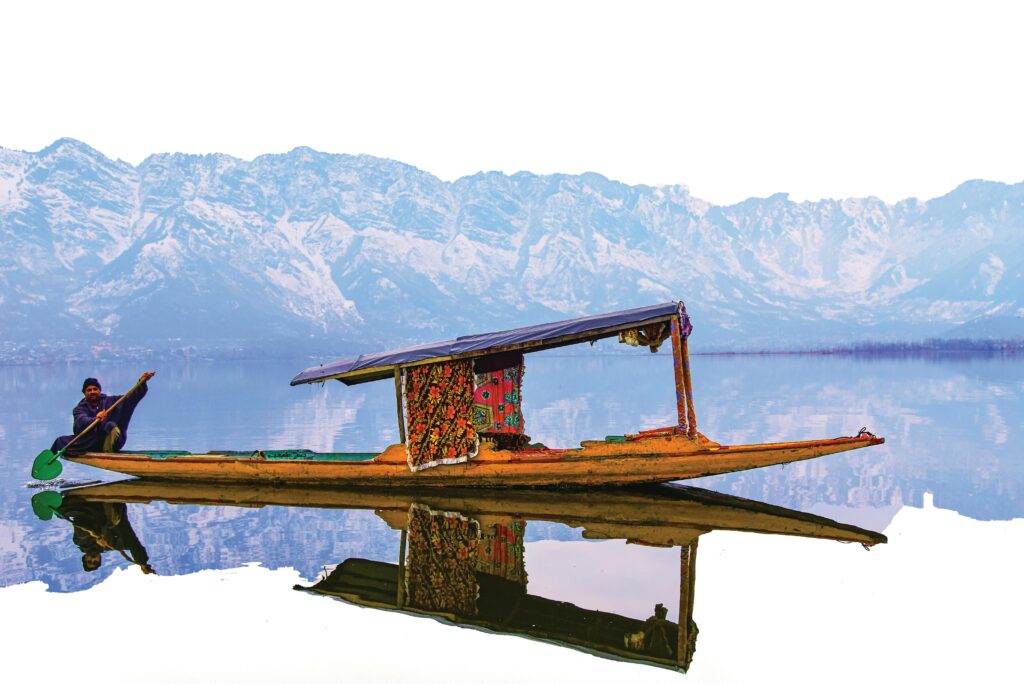
Gliding across the calm waters of Dal Lake in Kashmir on a beautifully carved wooden Shikara is one of the most enchanting experiences of North India. These traditional boats, adorned with colorful canopies, offer a peaceful escape surrounded by the breathtaking scenery of the valley.
As you drift gently, the snow-capped Himalayas reflect in the water, while floating gardens, houseboats, and Kashmiri vendors selling flowers and handicrafts bring the lake to life. A Shikara ride is more than just a boat journey — it is a window into the heart of Kashmir’s culture, where beauty and serenity flow together.
Whether it’s exploring the floating market or watching the golden sunset behind the mountains, a Shikara ride in Kashmir leaves you with moments of peace and memories that last forever.
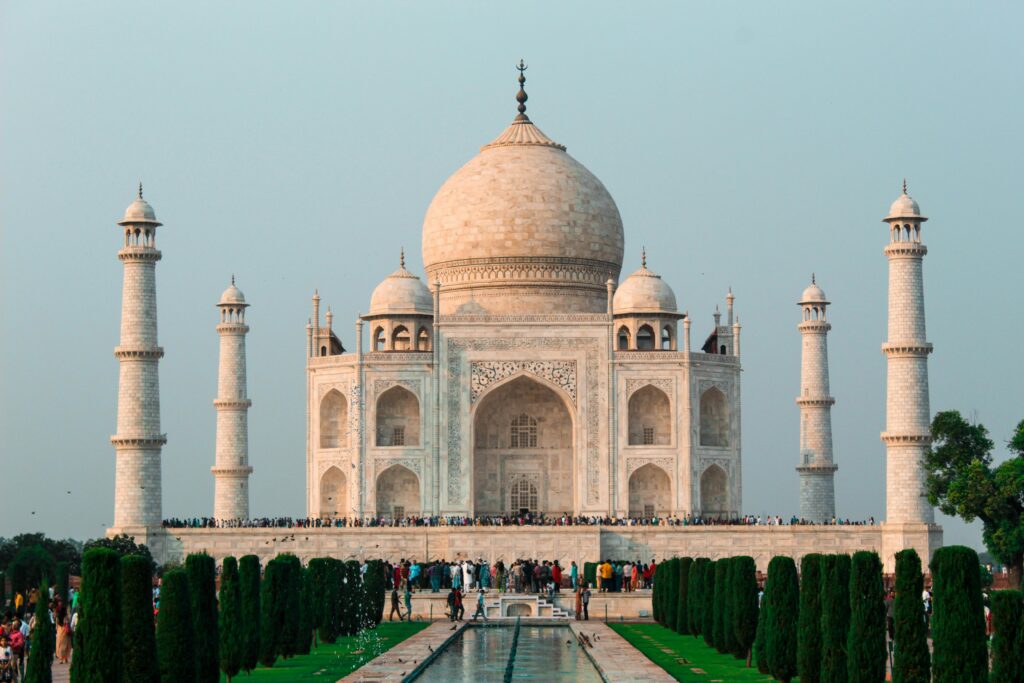
The Taj Mahal in Agra, Uttar Pradesh, stands as India’s most iconic monument and a timeless symbol of love. Built in the 17th century by Mughal emperor Shah Jahan in memory of his beloved wife Mumtaz Mahal, this white marble masterpiece is admired worldwide for its grandeur and elegance.
As the morning sun casts a golden glow or the moonlight bathes its marble in silver, the Taj reveals a beauty that changes with every hour. Intricate carvings, precious stone inlays, and perfectly symmetrical gardens make it a jewel of Mughal architecture and a UNESCO World Heritage Site.
A visit to the Taj Mahal is more than sightseeing — it is stepping into history, romance, and artistry that have inspired millions for centuries. For every traveler, witnessing the Taj Mahal is an unforgettable moment of awe and wonder.
West India – Sun-Kissed Sands, Vibrant Culture, and Timeless Forts
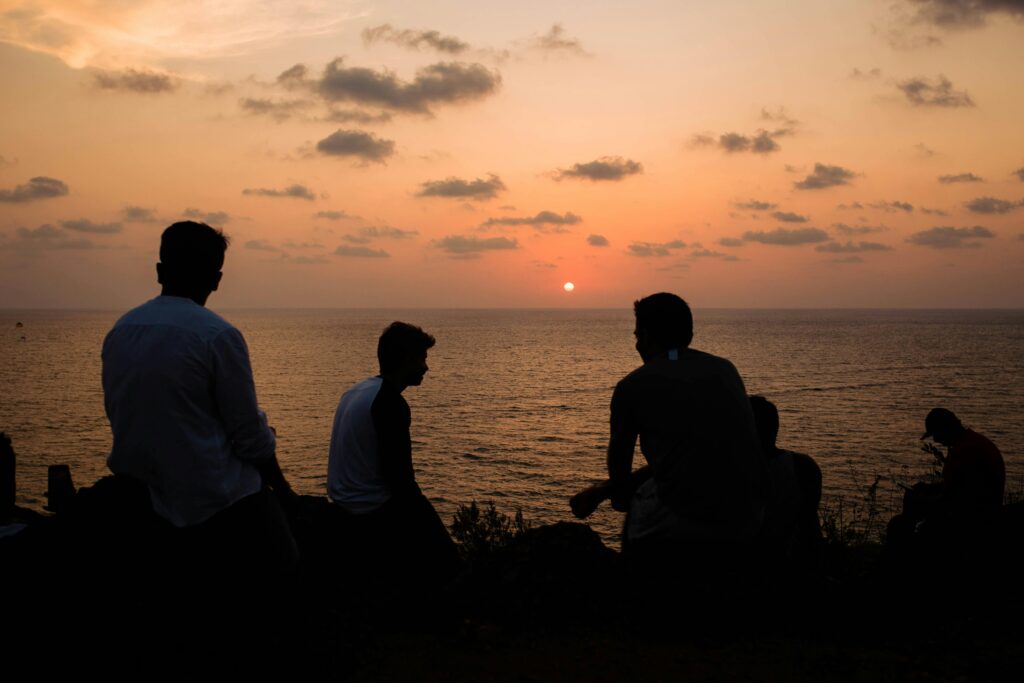
West India is a land of golden beaches, lively culture, and rich history. Among its many treasures, Goa stands out as the ultimate sun-soaked getaway. With its pristine coastline, swaying palms, and vibrant beach shacks, Goa offers travelers the perfect blend of relaxation and adventure.
From the bustling beaches of Baga and Calangute to the serene sands of Palolem and Agonda, every corner of Goa invites you to soak up the sun, take a dip in the Arabian Sea, or simply enjoy the rhythm of coastal life. Beyond the beaches, Goa’s Portuguese heritage shines through its colorful churches, charming streets, and centuries-old forts, creating a unique cultural tapestry.
Goa is also a hub of flavors, from spicy local curries to fresh seafood delicacies, reflecting the region’s rich culinary traditions. Whether you’re exploring hidden coves, enjoying water sports, or dancing to lively music at a beach festival, Goa’s sun-kissed sands promise an unforgettable escape filled with warmth, joy, and timeless charm.
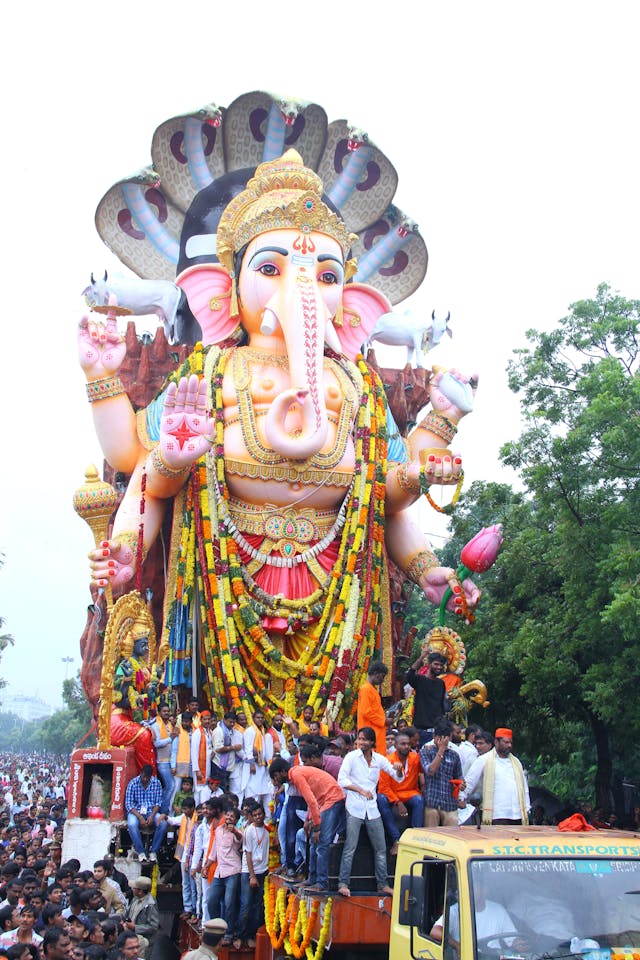
Maharashtra comes alive during Ganesh Chaturthi, one of India’s most vibrant and widely celebrated festivals. Every street, home, and public space is adorned with colorful Ganesh idols, flowers, and lights, creating a joyous and immersive atmosphere.
In cities like Mumbai and Pune, the festival is a spectacular blend of devotion, music, and art. Families and communities come together to welcome Lord Ganesha, performing traditional rituals, singing bhajans, and preparing delicious sweets like modaks, considered the favorite of the elephant-headed deity.
The grand processions, accompanied by drums and chants, culminate in the heartfelt immersion of the idols in rivers or the sea, symbolizing the cycle of creation and renewal. Ganesh Chaturthi in Maharashtra is not just a festival—it is a celebration of unity, culture, and the enduring spirit of devotion that defines the state’s rich heritage.
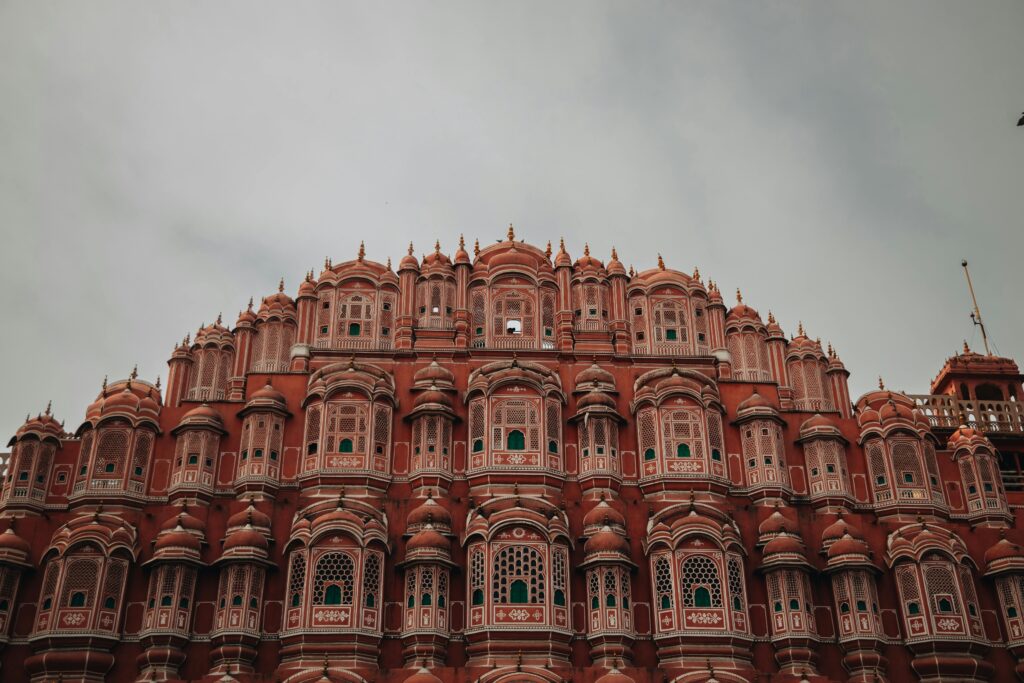
Jaipur, the “Pink City” of Rajasthan, is a treasure trove of royal history, colorful culture, and stunning architecture. At the heart of the city stands the iconic Hawa Mahal, or “Palace of Winds,” with its intricate latticework and towering façade, designed to let royal women observe street life while enjoying privacy and cool breezes.
Beyond Hawa Mahal, Jaipur offers majestic forts, bustling bazaars, and vibrant festivals that showcase Rajasthan’s rich traditions. The city’s pink-hued streets, bustling markets, and ornate palaces create a perfect blend of history and modern charm. From exploring royal residences to savoring local cuisine and handicrafts, Jaipur immerses travelers in the regal spirit and cultural grandeur of Rajasthan.
Visitors to Jaipur can also embark on excursions to nearby forts like Amber Fort and Nahargarh, where panoramic views of the city and surrounding desert landscapes take your breath away.
East India – Mystical Rivers, Lush Landscapes, and Cultural Wonders
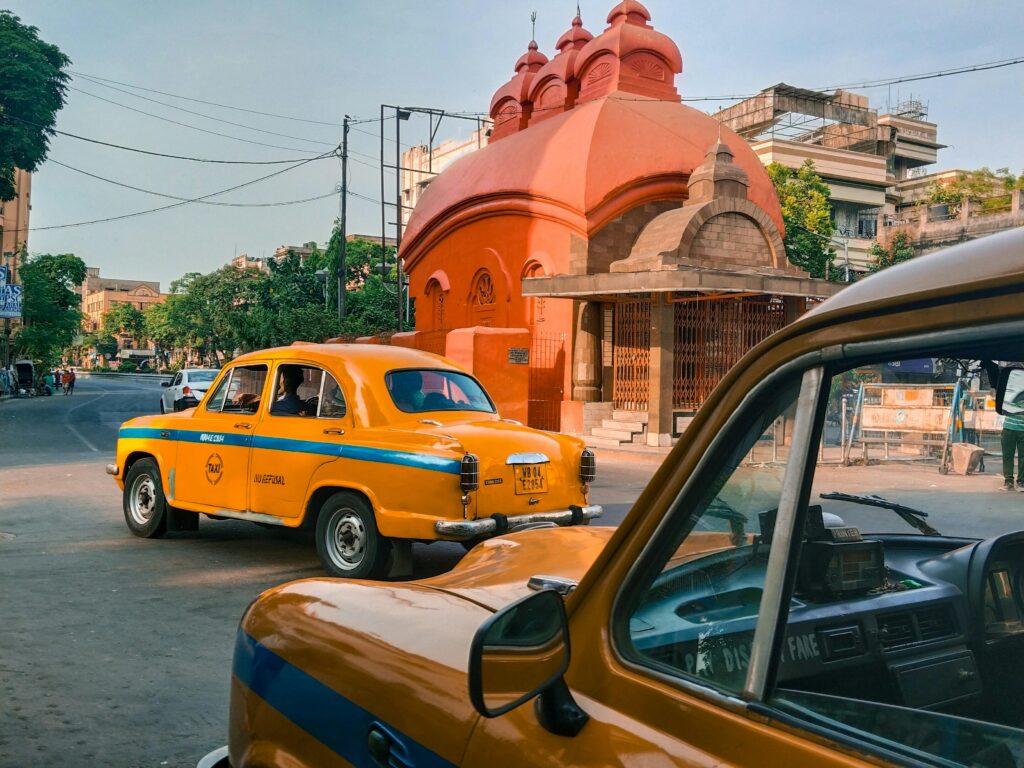
Lorem ipsum dolor sit amet, consectetur adipiscing elit. Ut elit tellus, luctus nec ullamcorper mattis, pulvinar dapibus leo.Kolkata is famous not just for its culture, history, and festivals, but also for its iconic yellow taxis, which have become a symbol of the city. These vintage cars weave through bustling streets, past colonial buildings, vibrant markets, and lively neighborhoods, giving travelers a unique view of city life.
Hailing a yellow taxi is more than just a ride—it’s an experience. As the taxis navigate the busy lanes, passengers can soak in the energy of Kolkata: the aroma of street food, the chatter of locals, and glimpses of heritage landmarks like Victoria Memorial and Howrah Bridge. The bright yellow cabs, often contrasting with the city’s pink sunsets or busy traffic, embody Kolkata’s timeless charm and fast-paced rhythm.
From festivals like Durga Puja lighting up the streets to the artistic corners of Kumartuli, the yellow taxis are your constant companions, taking you on a journey through Kolkata’s culture, colors, and heartbeat.
Puri, a coastal gem in Odisha, is world-renowned for the Konark Temple, one of India’s most revered pilgrimage sites. Every year, thousands of devotees and tourists visit to witness the temple’s spiritual rituals, soaking in its sacred atmosphere and centuries-old traditions. The city’s vibrant Rath Yatra festival, where the deities are paraded on magnificent chariots, draws crowds from across the globe, creating a spectacular display of devotion, music, and color.
Beyond its spiritual significance, Puri is famous for its golden sandy beaches along the Bay of Bengal. Visitors can enjoy tranquil walks along the shore, watch mesmerizing sunrises, or relax in beachside shacks offering local cuisine and fresh seafood. The city’s lively markets, offering handicrafts, traditional textiles, and souvenirs, add another layer to the Puri experience.
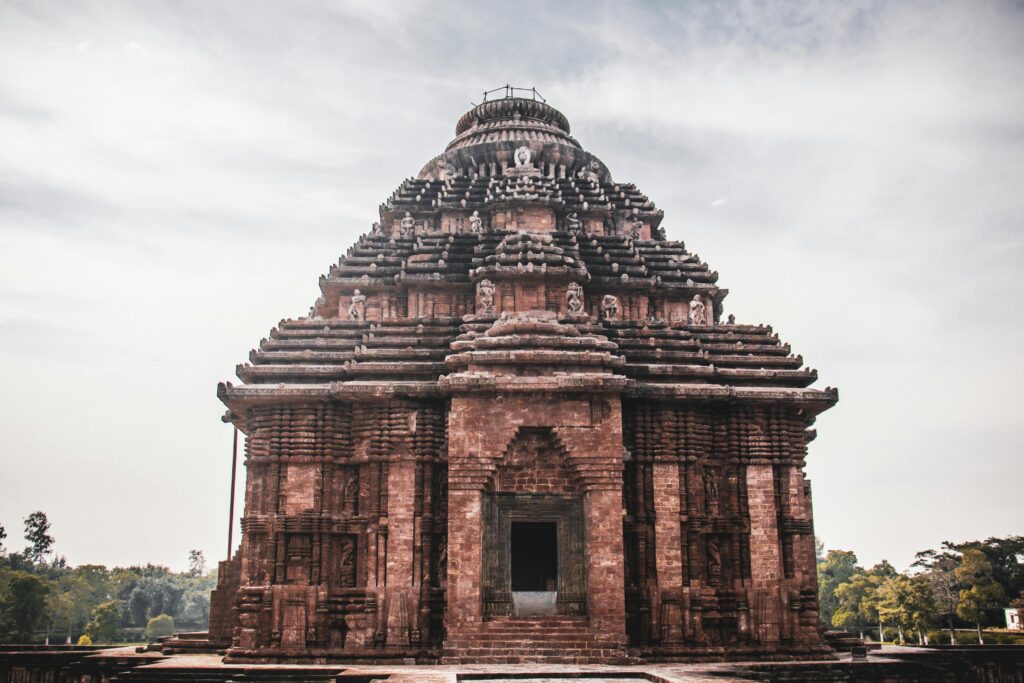
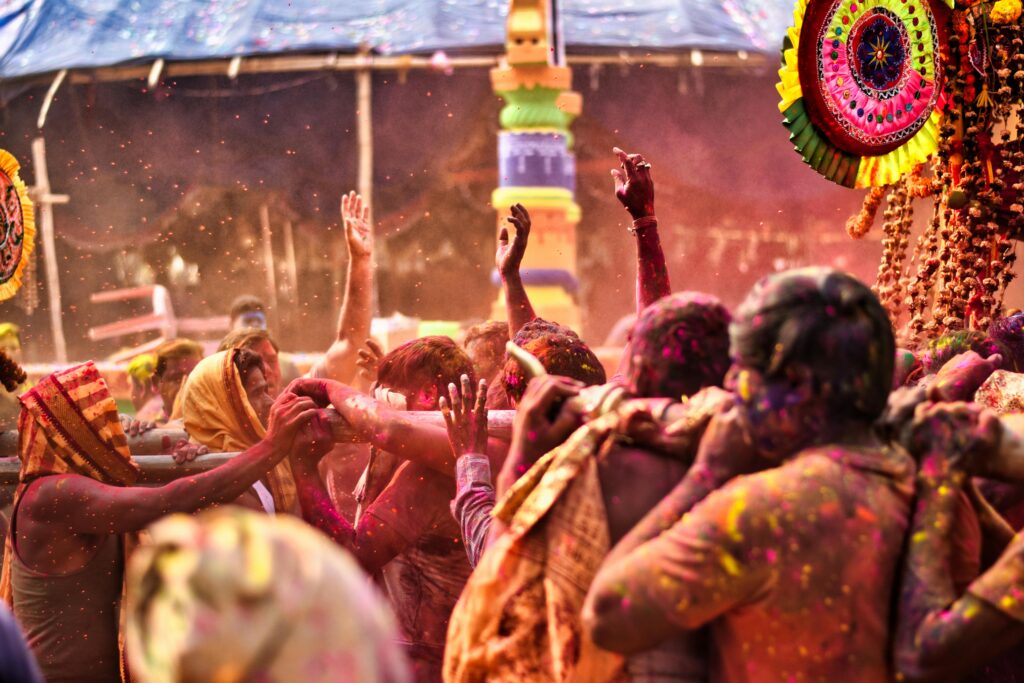
Puri, a coastal gem in Odisha, is world-renowned for the Jagannath Temple, one of India’s most revered pilgrimage sites. Every year, thousands of devotees and tourists visit to witness the temple’s spiritual rituals, soaking in its sacred atmosphere and centuries-old traditions. The city’s vibrant Rath Yatra festival, where the deities are paraded on magnificent chariots, draws crowds from across the globe, creating a spectacular display of devotion, music, and color.
Beyond its spiritual significance, Puri is famous for its golden sandy beaches along the Bay of Bengal. Visitors can enjoy tranquil walks along the shore, watch mesmerizing sunrises, or relax in beachside shacks offering local cuisine and fresh seafood. The city’s lively markets, offering handicrafts, traditional textiles, and souvenirs, add another layer to the Puri experience.
South India – Serene Backwaters, Ancient Temples, and Tropical Wonders
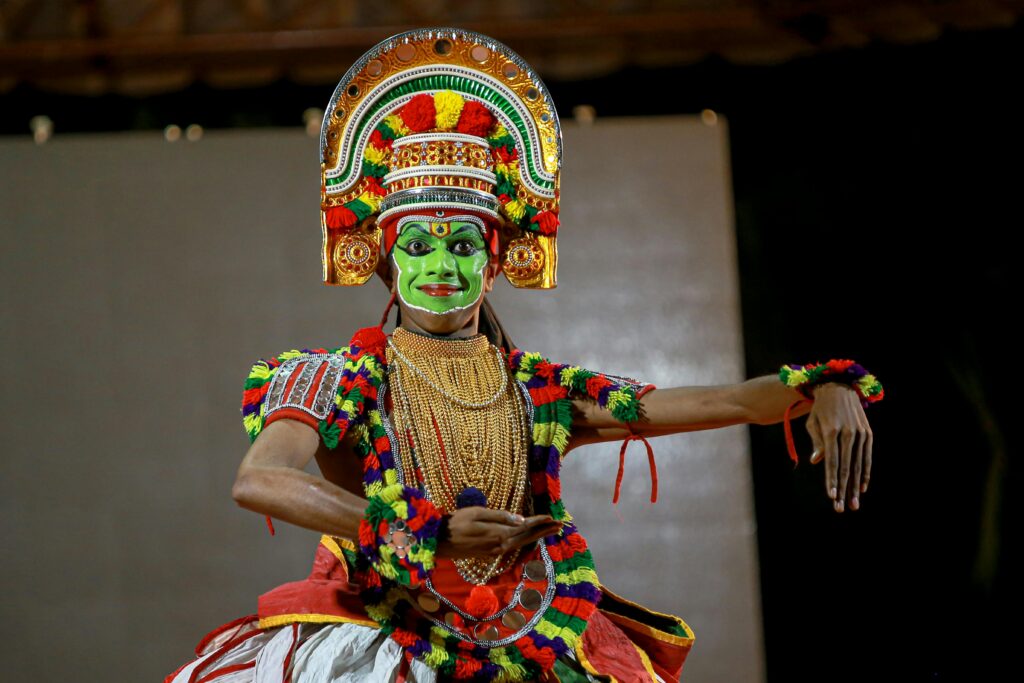
South India is a treasure trove of culture, nature, and art. Among its many wonders, classical dance forms take center stage, reflecting centuries of tradition and devotion. Kerala enchants travelers not only with its serene backwaters and lush landscapes but also with vibrant performances of Kathakali, Mohiniyattam, and Bharatanatyam, often staged in temples or cultural festivals. These dances tell stories of mythology, heroism, and devotion, captivating audiences with intricate movements, expressive gestures, and colorful costumes.
Mysore, Karnataka, the city of palaces, showcases Bharatanatyam and Yakshagana, especially during festivals like Dussehra, where the royal courts and streets come alive with rhythm, music, and storytelling through dance.
Chennai, Tamil Nadu, the hub of classical arts, hosts the annual Madras Music and Dance Festival, celebrating Bharatanatyam and Carnatic music, attracting performers and enthusiasts from across India and the world.
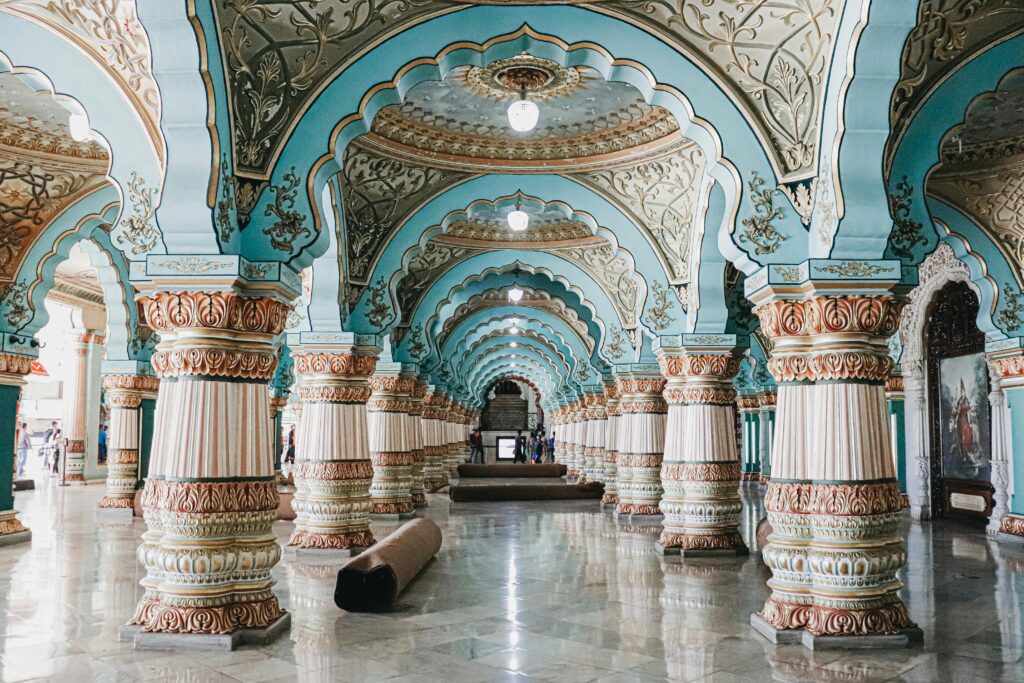
Mysore, often called the “City of Palaces,” is renowned for its magnificent Mysore Palace, a stunning example of Indo-Saracenic architecture adorned with intricate carvings, stained glass, and grand durbar halls. The palace comes alive during festivals, especially Dussehra, when it is illuminated with thousands of lights and hosts elaborate processions, cultural performances, and royal ceremonies, drawing visitors from across India and the world.
Beyond its royal heritage, Mysore is famous for its vibrant markets, where travelers can shop for exquisite silk sarees, sandalwood carvings, and traditional handicrafts. The streets are alive with local culture, from bustling street food stalls to artisans demonstrating their craft. Mysore also holds a prominent place in the classical arts, with Bharatanatyam and Yakshagana performances enriching its cultural tapestry.
With its seamless blend of history, tradition, and lively local life, Mysore offers a multi-sensory experience where every corner tells a story of royal grandeur, artistic excellence, and timeless South Indian charm.
Mahabalipuram, a UNESCO World Heritage site on the Coromandel Coast, is celebrated for its ancient rock-cut temples, intricately carved stone monuments, and timeless bas-reliefs that vividly depict Hindu mythology. Highlights include the iconic Shore Temple, standing gracefully by the Bay of Bengal, and the Pancha Rathas, a group of monolithic chariot-shaped structures, each showcasing remarkable craftsmanship and architectural ingenuity. The Descent of the Ganges bas-relief is another marvel, portraying intricate stories with astonishing detail.
Beyond its architectural wonders, Mahabalipuram’s scenic beaches and relaxed coastal vibe offer visitors a perfect blend of culture and leisure. Travelers can stroll along sandy shores, witness mesmerizing sunrises, or explore local markets featuring traditional handicrafts and souvenirs. Annual cultural festivals and dance performances add an extra layer of vibrancy, making Mahabalipuram not just a historical destination, but a living celebration of South India’s artistic and spiritual heritage.