
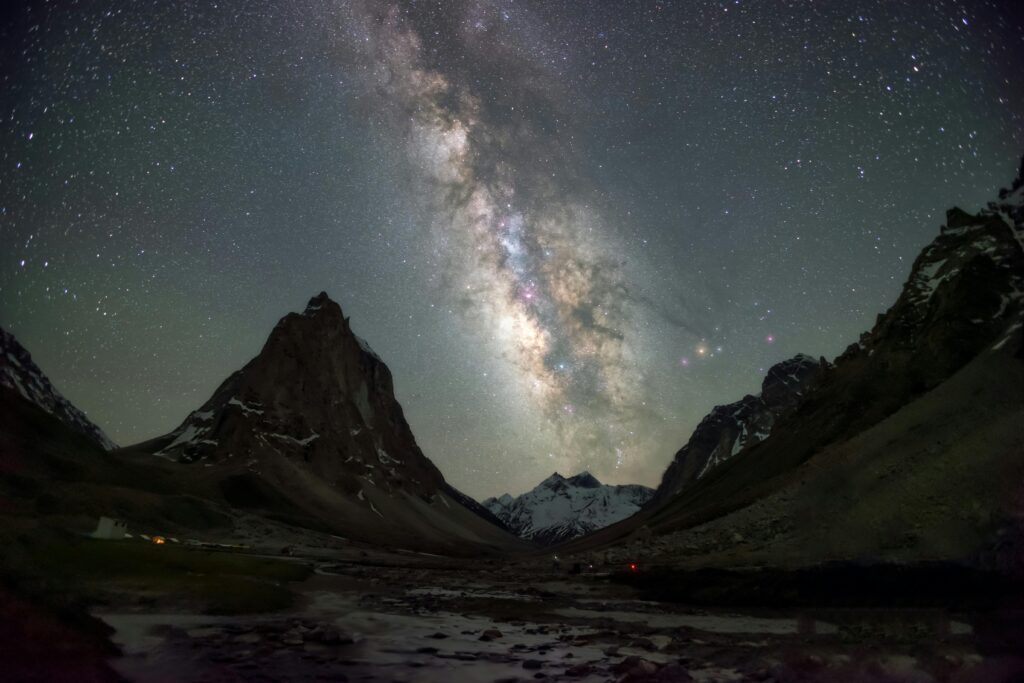
Night Photography in India: A Photographer’s Guide to Night Wonders
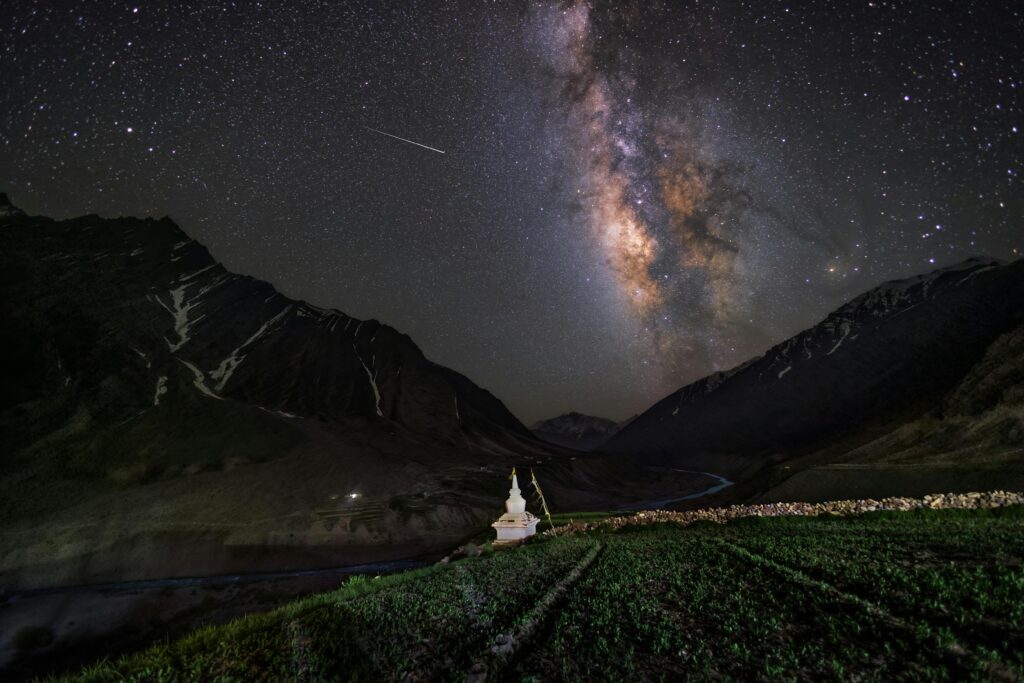
Discover the best places, tips, and tricks to capture India’s beauty after dark.
India never sleeps. When the sun sets, cities, monuments, and landscapes across the country transform into magical canvases of light and shadow. For photographers, night is not just an absence of daylight—it’s a playground of creative possibilities. From star-studded skies in the mountains to bustling neon-lit streets of metros, India offers countless opportunities to capture stunning frames after dark.
Night photography in India is both challenging and rewarding. Long exposures, low light, and moving subjects demand patience, practice, and the right techniques. But when everything falls into place, the results are nothing short of breathtaking. This guide will take you through some of the best places in India for night photography, offering tips and examples to help you explore the nocturnal beauty of the country.
Why Night Photography in India is Special
- Diverse backdrops—from Himalayan skies to desert sands.
- Rich mix of traditional and modern lighting (temples, festivals, street markets).
- Unique subjects like ghats, forts, metro skylines, and city nightlife.
Best Places in India for Night Photography
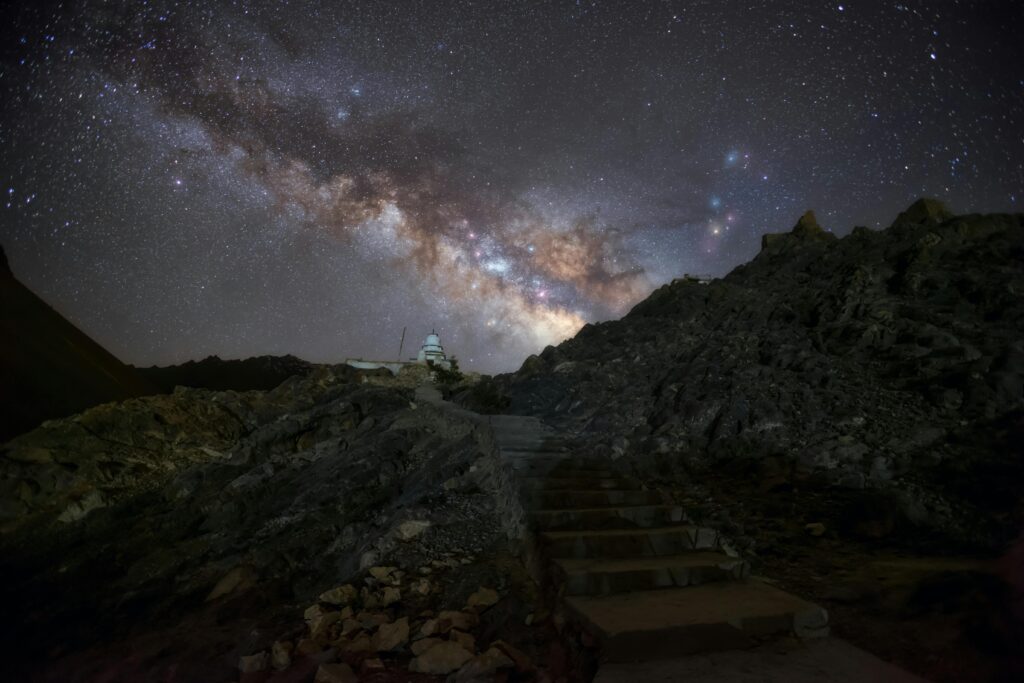
1. Leh-Ladakh: Star Trails and Milky Way
-
One of the darkest skies in the world, perfect for astrophotography.
-
Pangong Lake and Nubra Valley are hotspots for capturing the Milky Way.
-
Best season: May to September.
Pro tip: Use a wide-angle lens and shoot in RAW for clear skies.
2. Varanasi Ghats: Spiritual Glow After Dark
-
Evenings here are lit with oil lamps and Ganga Aarti ceremonies.
-
Perfect for capturing long exposures of glowing lamps, boats, and reflections on the water.
-
Adds storytelling elements with devotees, sadhus, and rituals.
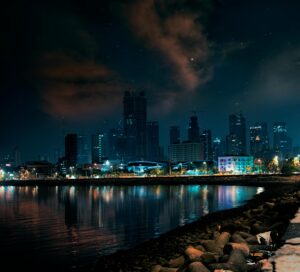
3. Mumbai: The City That Never Sleeps
-
Marine Drive, famously called the “Queen’s Necklace,” is a photographer’s dream.
-
Gateway of India and Bandra-Worli Sea Link light up beautifully at night.
-
Ideal for urban photographers who love experimenting with light trails.
4. Jaipur & Jaisalmer: Royal Rajasthan Nights
-
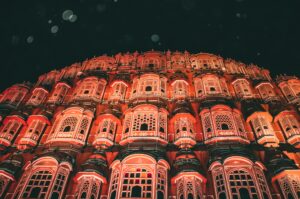
Jaipur’s Hawa Mahal looks stunning when illuminated at night.
-
Jaisalmer Fort under the desert sky provides a fairytale-like backdrop.
-
Use a tripod to balance fort lighting and night sky details.
5. Delhi: Blend of Heritage and Modern Lights
-
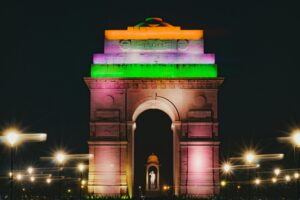
India Gate shines bright with tricolour lighting on special days.
-
Connaught Place is perfect for neon and street photography.
-
Qutub Minar night view offers a heritage charm under artificial lights.
6. Himachal & Uttarakhand: Mountain Skies
-
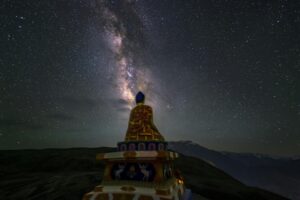
Auli, Spiti Valley, and Rishikesh give stunning views of the night sky.
-
Perfect for stargazing, long exposure, and astrophotography.
-
Campfire shots with starry backgrounds create magical frames.
Tips for Stunning Night Photography
-
Carry a tripod: Essential for long exposures.
-
Use manual mode: Control shutter speed, ISO, and aperture.
-
Experiment with light trails: Cars, boats, and fireworks add motion.
-
Shoot in RAW: Gives flexibility in editing.
-
Scout locations in daylight: Helps with framing at night.
For a detailed guide on improving your skills, check out this excellent resource on Digital Photography School —a trusted platform for photographers worldwide.
Conclusion
India is a treasure chest for night photographers—every state offers something unique once the sun sets. From spiritual ghats to neon skylines, from royal forts to Himalayan skies, the opportunities are endless. All you need is your camera, patience, and the curiosity to explore the beauty of night.
Ready to capture the magic of India after dark? Pack your camera, plan your route, and let your creativity light up the night! Share your best shots on Instagram with #NightPhotographyIndia and inspire others to see India through your lens.
FAQs
Q1. Which place is best for night sky photography in India?
Leh-Ladakh, especially Pangong Lake and Nubra Valley.
Q2. Can I do night photography in Indian cities?
Yes, places like Mumbai, Delhi, and Jaipur offer great opportunities with illuminated monuments and cityscapes.
Q3. What is the best equipment for night photography?
A DSLR or mirrorless camera, wide-angle lens, and tripod.
Q4. Are ghats in Varanasi good for night photography?
Yes, the evening Ganga Aarti at Varanasi ghats is one of the most photogenic night scenes in India.
Q5. Do I need to edit night photos?
Yes, shooting in RAW and editing helps bring out hidden details in low-light shots.

